Trends


Dental medicine
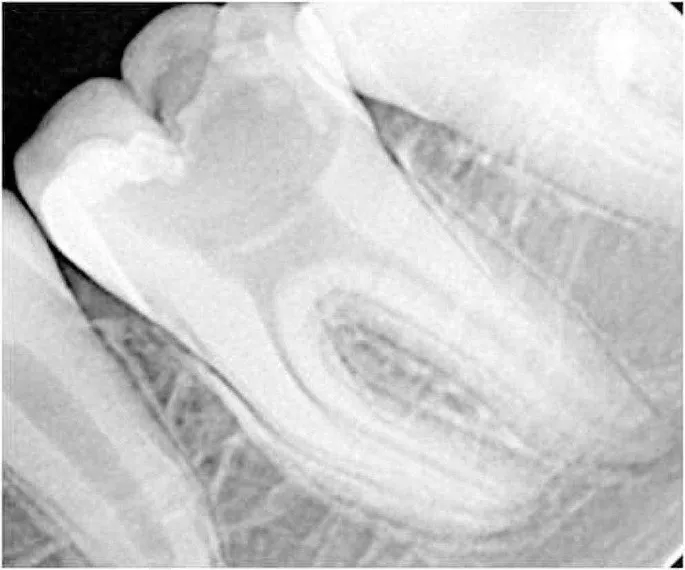
Oral surgery ranges from routine third molar extractions to
complex dental implant rehabilitation, and optimizing both immediate outcomes
and long term success requires integration of surgical technique, perioperative
pharmacology, implant biomaterials, and maintenance strategies. This review
synthesizes contemporary evidence and practical guidance for two common
clinical pathways: management of impacted third molars and implant therapy from
timing and loading decisions to surface engineering and complication
mitigation. For third molar surgery, multimodal analgesia that combines local
anesthesia, scheduled non opioid systemic agents, and selective use of
parenteral COX 2 inhibitors such as parecoxib can provide potent early
postoperative pain control while reducing reliance on opioids; perioperative
corticosteroids and clear patient instructions further improve recovery and
reduce morbidity. For dental implants, choice of timing (immediate, immediate
delayed, or delayed) and loading protocol should be individualized according to
socket condition, bone quality, and achievable primary stability; immediate
placement and loading show favorable outcomes in well selected cases. Advances
in implant surface engineering — including controlled micro/nano topographies,
biofunctional coatings (growth factors, ECM peptides, nucleic acid approaches),
and antimicrobial strategies (metal dopants, antimicrobial peptides, smart
responsive surfaces) — offer promise for accelerated osseointegration and
biofilm resistance, but many innovations lack large scale clinical validation.
Key risks across procedures include nerve injury, infection, peri implantitis,
and mechanical complications; mitigation requires careful preoperative
assessment, meticulous technique, prosthetic designs that permit hygiene, and
long term maintenance. Future research should prioritize translational studies
addressing immune–microbiome interactions, standardized clinical trials of
surface modifications, and AI augmented diagnostic tools to personalize care. This
integrated approach aims to improve patient centered outcomes from acute oral
surgery through durable implant rehabilitation.